PyPI in the face: running jokes that PyPI download stats can play on you

Loïc Estève

@lesteve

Probabl Probabl

About me

Particle Physics background
PhD main achievement: measure a cos and a sin +/- 0.8
(apparently some strong theoretical bounds on cos/sin 😅)

3 years in finance
mainly C++ and as much Python as I could
10 years @ Inria open-source Python

:probabl for one year

PyPI in the face 🤔🥧?

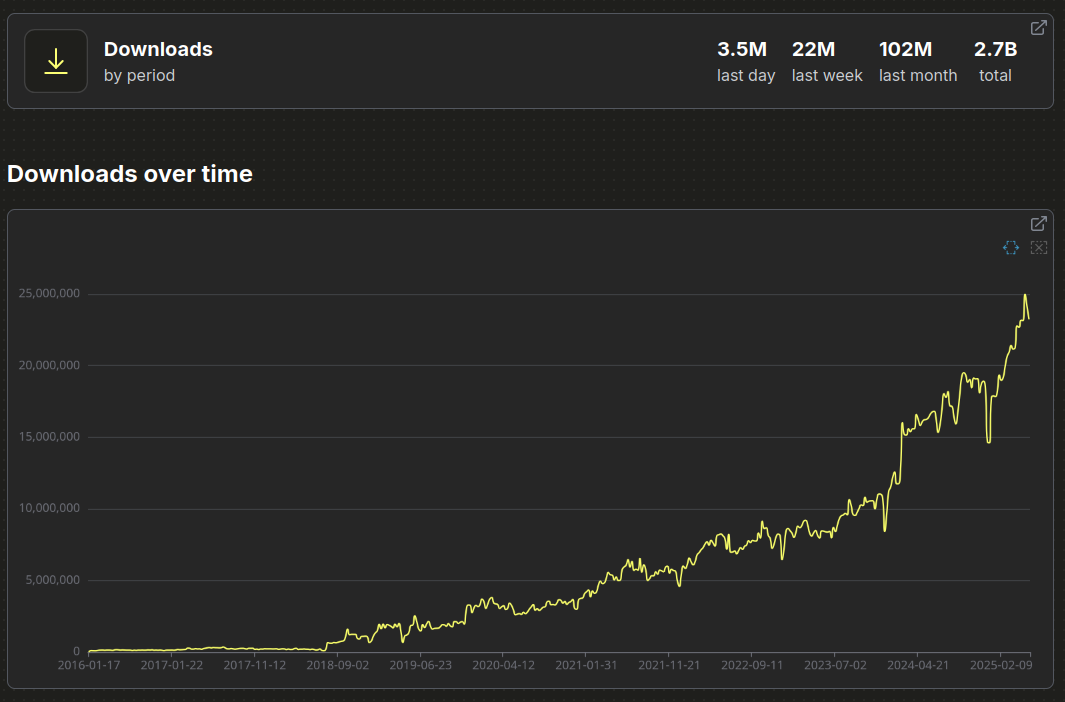
https://clickpy.clickhouse.com/dashboard/scikit-learn

PyPI in the face 🤔🥧?

Useful websites/projects

Google BigQuery PyPI dataset

https://console.cloud.google.com/bigquery?p=bigquery-public-data&d=pypi&page=dataset

Source of truth, historical bug until July 2018
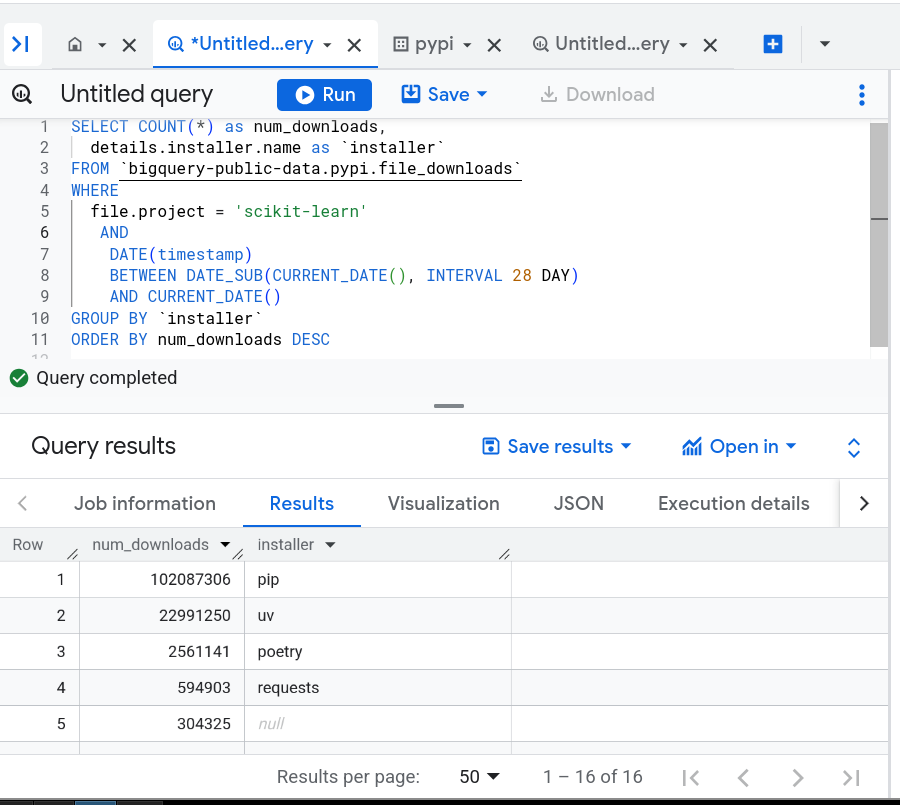
clickpy

clickpy: https://clickpy.clickhouse.com scikit-learn dashboard: https://clickpy.clickhouse.com/dashboard/scikit-learn

Copy and aggregation of the BigQuery DB. Historically there have been a few bugs so may want to double-check with Google BigQuery.
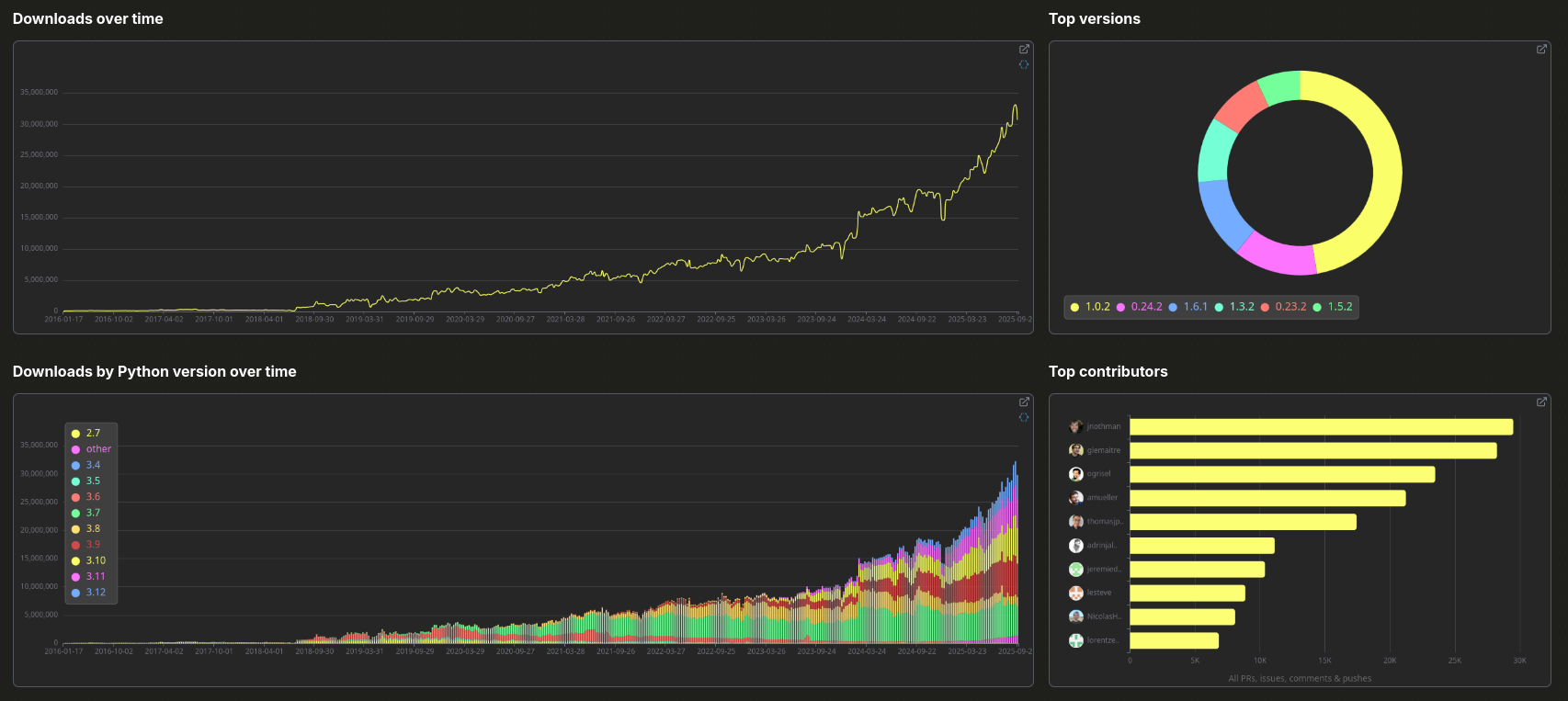
Can write your own SQL-like query to have more information

Open to change on their issue tracker (UI and “packages that needs refresh” wording)

maybe one day maybe: query + plots with Python using ibis on clickhouse DB

PyPI stats

PyPI stats: https://pypistats.org
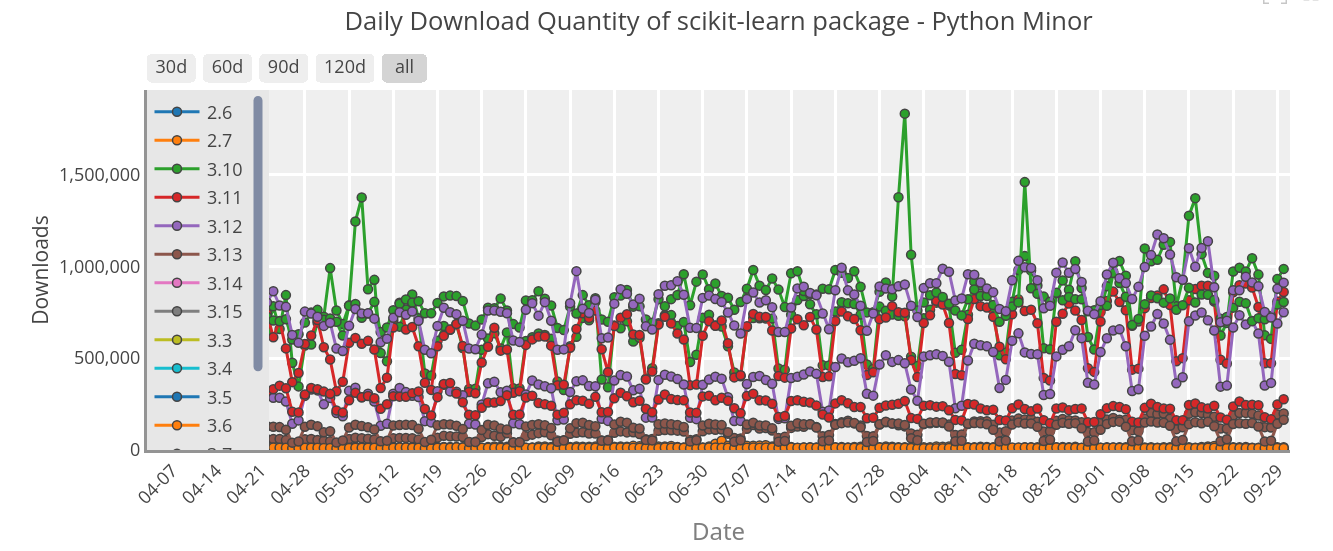
PSF has recently taken over the maintenance https://github.com/crflynn/pypistats.org/issues/82

Advantage: can tell with mirrors without mirrors only use pip in their aggregated numbers. No per-package version info.

Pepy

Pepy: https://pepy.tech avantage can look at different version.
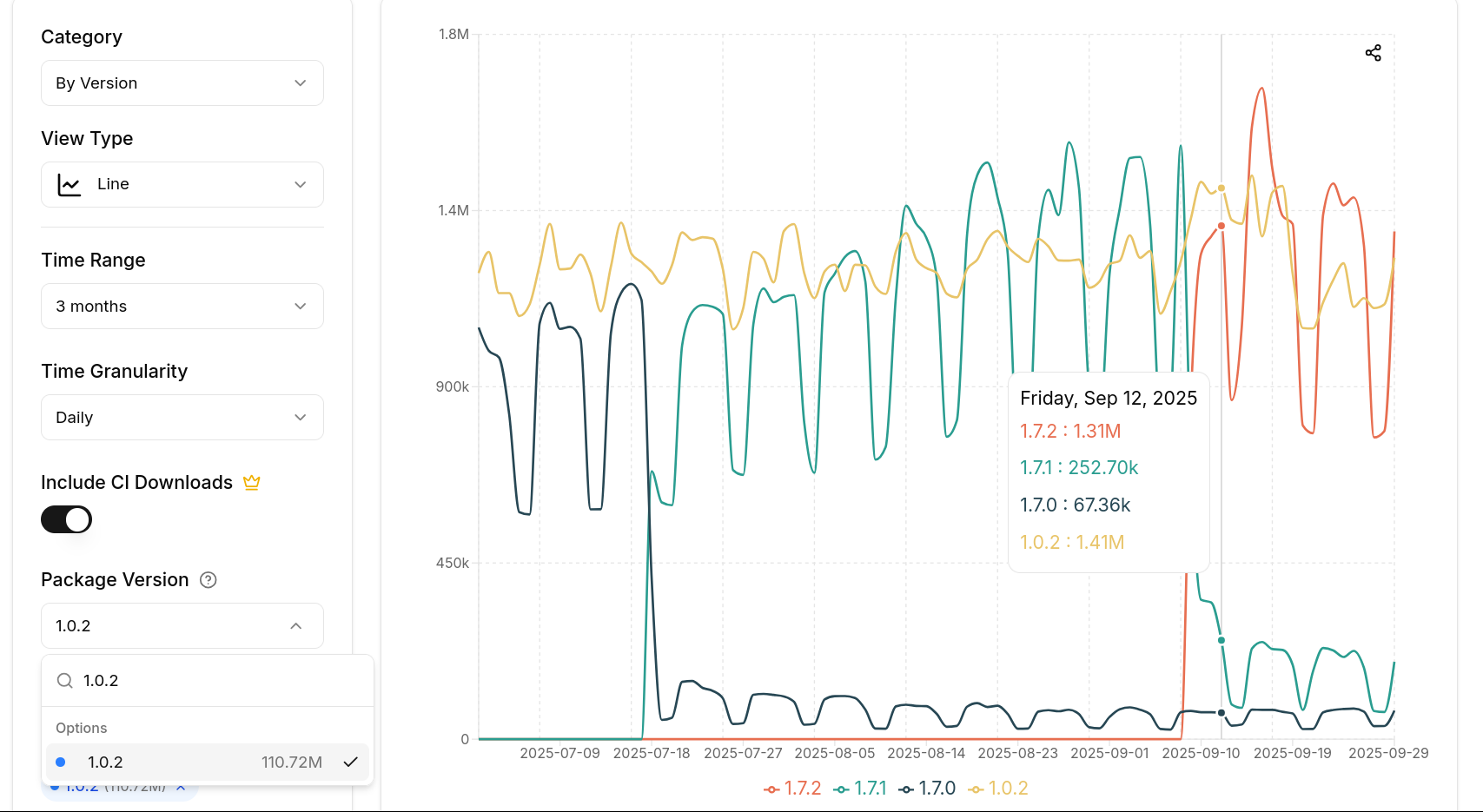
Aggregate numbers use Paid option for longer timeline CI. Download numbers are inflated compared to pypistats.org (more info later)

top-pypi-packages

top-pypi-packages: https://hugovk.github.io/top-pypi-packages.

github repo with one json per month for most downloaded projects. No need to write SQL query. Some small caveats query has changed a bit with time.

Hugo Van Keremade CPython developer with interesting blog posts on PyPI data

PyPI downloads caveats 101

From Python packaging user guide

  • pip has a local cache (~/.cache/pip on Linux)
  • as a “normal” user pip install my-package only counts once (per my-package version) (per Python version for package with compiled code)
  • mirrors (PyPI index clones) see pypistats.org FAQ
  • “not particularly useful: Just because a project has been downloaded a lot doesn’t mean it’s good; Similarly just because a project hasn’t been downloaded a lot doesn’t mean it’s bad!”

Caveat for newish packages: mirrors/installer type

skore

the scikit-learn sidekick https://github.com/probabl-ai/skore

Talk by Marie Sacksick “Enhancing ML workflows with skore” next (11:25) in Gaston Berger

Most downloads are from mirrors / something else than pip, uv etc …
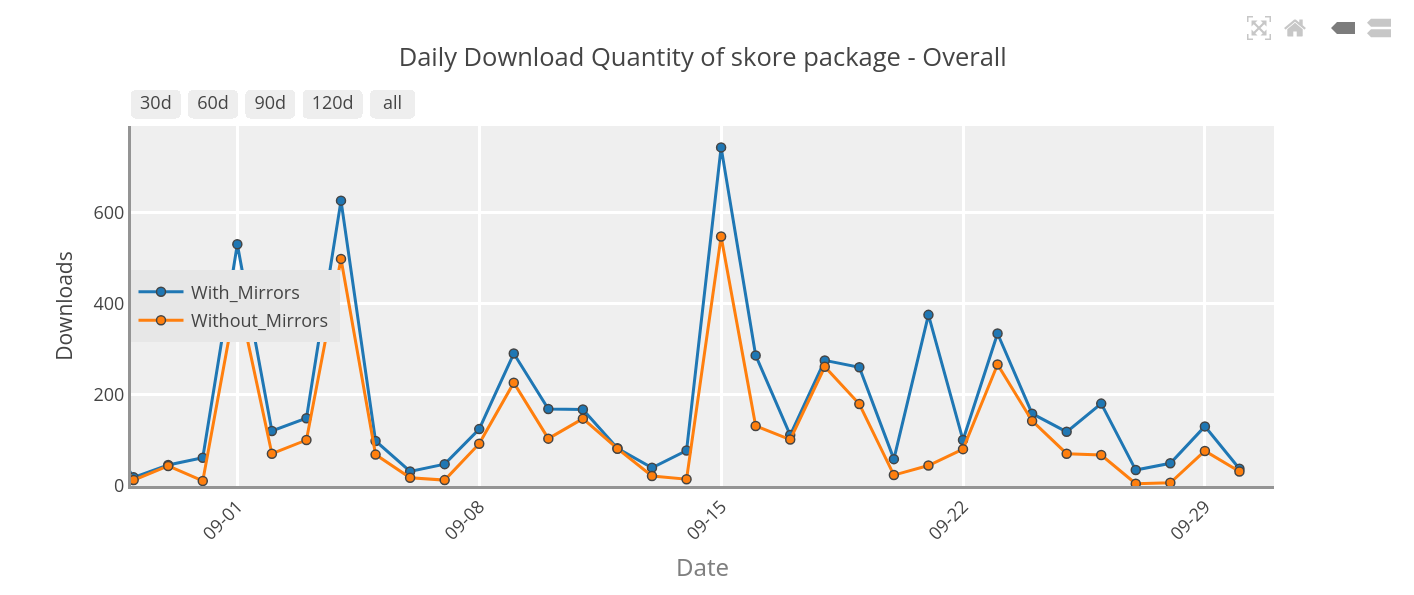
March 2025

installer downloads
bandersnatch 771
requests 402
uv 336
pip 306
Browser 226
NULL 173

June 2025

installer downloads
pip 1811
uv 814
bandersnatch 513
NULL 258
Browser 196
requests 78

installer type main source of discrepancy between different websites

pypistats.org only keep pip, others keep all installers

scikit-learn

scikit-learn

website statistics: 1.2M unique visitors per month
PyPI download stats: ~100M per month
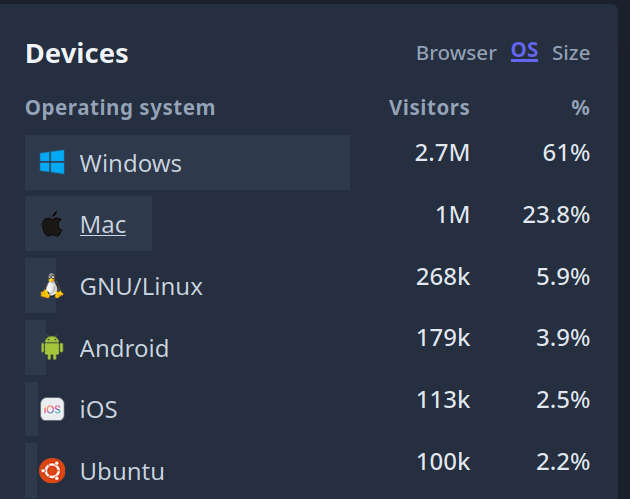
scikit-learn most downloaded release

Most downloaded scikit-learn release in 2025 is 1.0.2 released on 2021 Christmas day
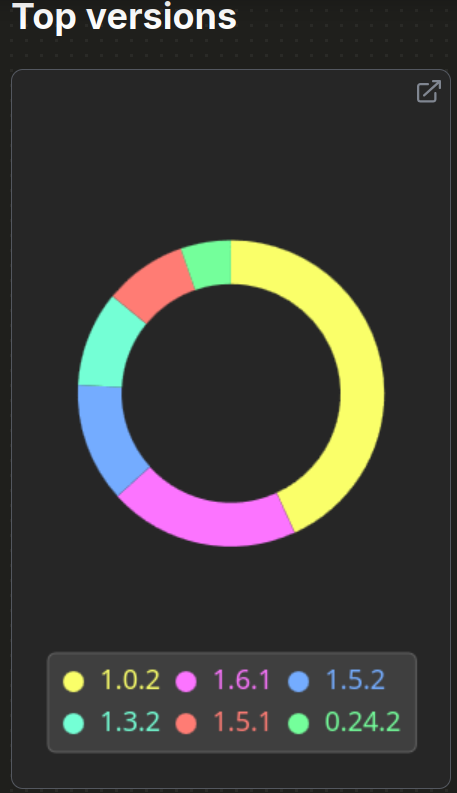
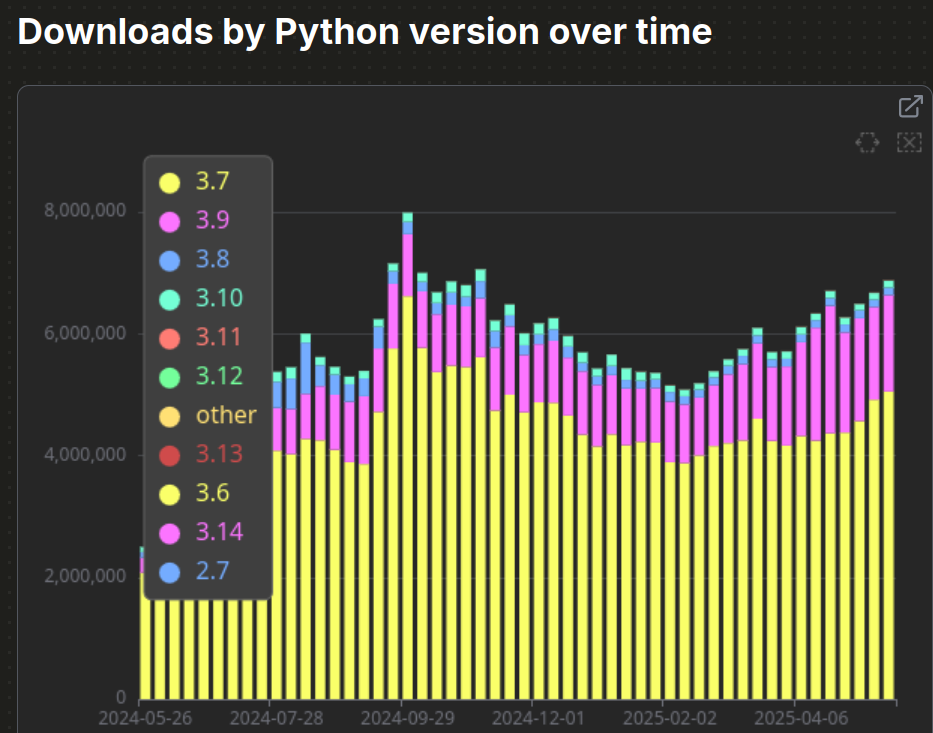
Reminder: Python 3.7 EOL 2023-06-27

scikit-learn Python 3.7 investigation

Found out through @hugovk blog post

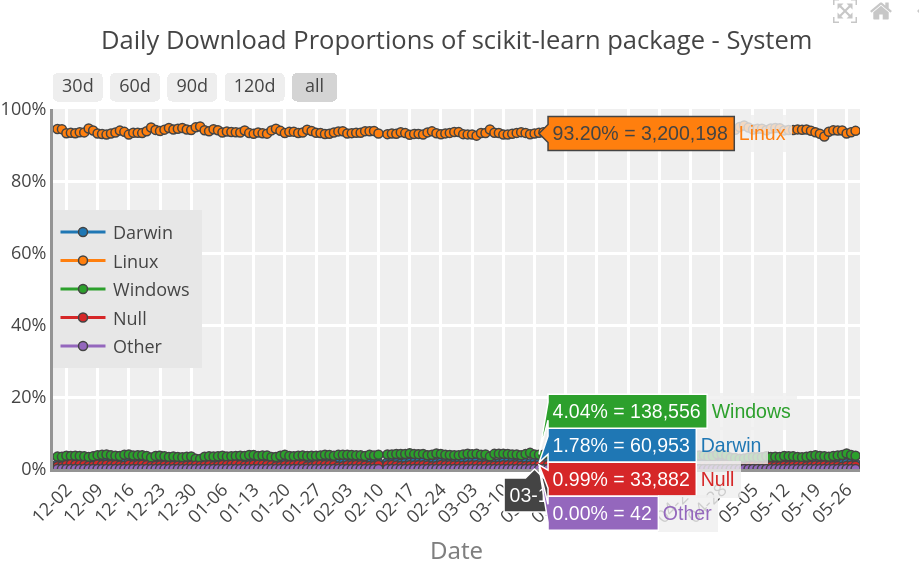
BigQuery dataset has Linux distribution and version

92.4% of Python 3.7 downloads come from Amazon Linux 2

(Python 2 default, but you can install Python 3)

Query run in May 2025 (over one day):

  • 30% of scikit-learn downloads comes from Amazon Linux 2
  • 50%+ of scikit-learn downloads comes from Amazon Linux (2 or 2023)
name                             version
Amazon Linux                     2             0.31
Amazon Linux                     2023          0.22
Ubuntu                           22.04         0.12
Debian GNU/Linux                 12            0.07
Ubuntu                           24.04         0.06
Ubuntu                           20.04         0.05
Debian GNU/Linux                 11            0.02
Ubuntu                           18.04         0.01
CentOS Linux                     7             0.01

scikit-learn dependencies

scikit-learn depends on joblib

expectation: joblib is more downloaded than scikit-learn, right?

May 2025
scikit-learn 102M
joblib 87M

scikit-learn downloaded ~1.2x more than joblib 😱


possible hypothesis, no guarantee whatsoever:

  • some link to release frequency?
  • use system joblib on Linux distribution but need more recent version of scikit-learn?
  • install scikit-learn for multiple Python versions?
  • pip backtracking. Pathological situation where pip starts downloading many scikit-learn versions to try to satisfy constraints

scikit-learn dependencies: pip backtracking hypothesis
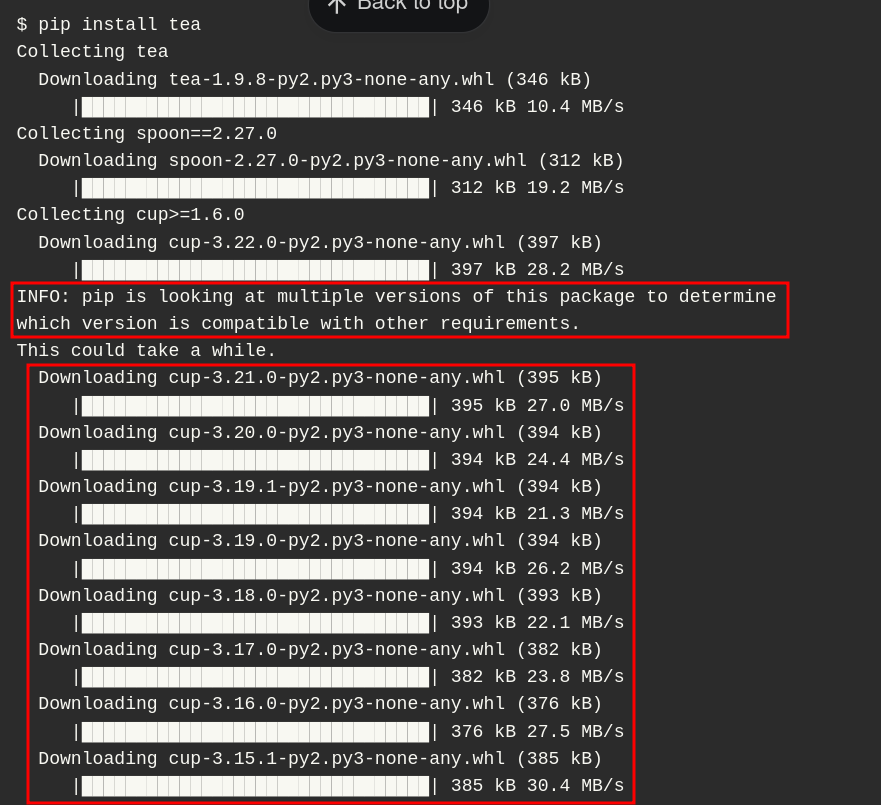
pip backtracking doc

conda: joblib downloaded 1.2x more than scikit-learn

❯ condastats overall joblib scikit-learn scikit-learn --start_month 2025-03 --end_month 2025-07 --monthly
pkg_name      time
joblib        2025-03    2275295
              2025-04    2616275
              2025-05    2266739
              2025-06    2216331
              2025-07    2170978
scikit-learn  2025-03    1930584
              2025-04    2207607
              2025-05    1908129
              2025-06    1927962
              2025-07    1845839

Exercise left to the reader: uv should show a similar pattern because has a better constraint solver?

sklearn

sklearn context

pip install scikit-learn but import sklearn

Historical decision make pip install sklearn “just work”, also avoid malicious actor taking the name

brownout strategy over one year (December 2022 - December 2023) SKLEARN_ALLOW_DEPRECATED_SKLEARN_PACKAGE_INSTALL=True as last resort escape mechanism

Naive attempt to disable the cache broke poetry

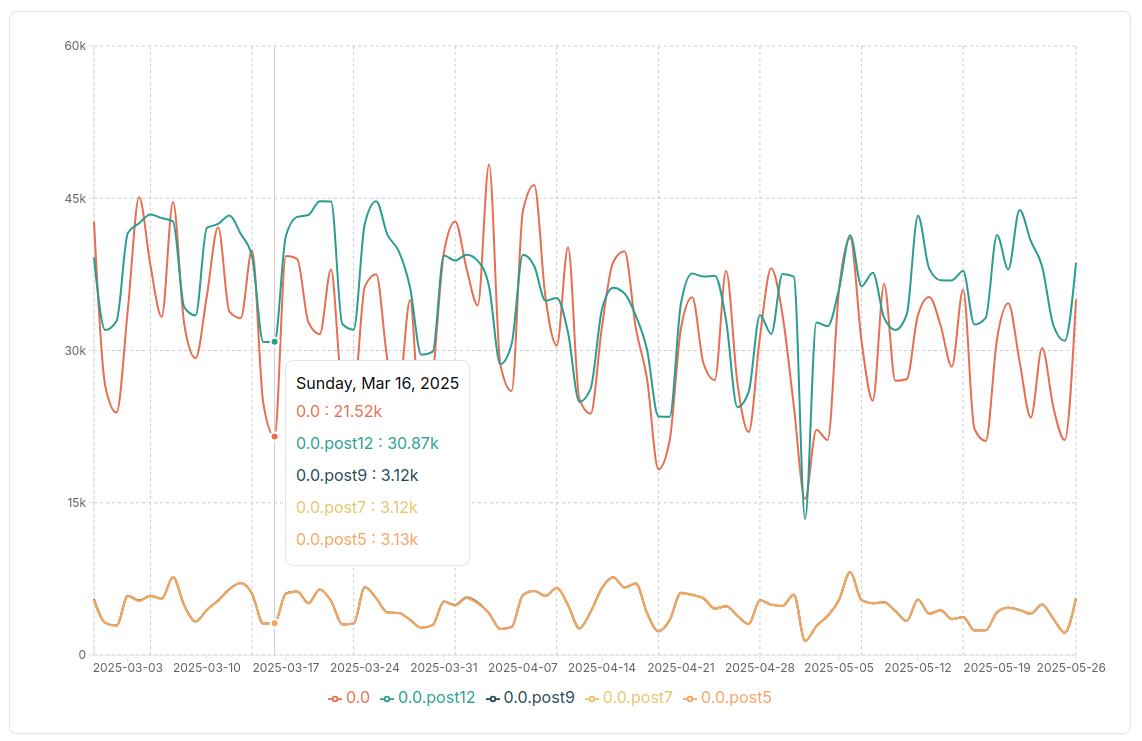
one sklearn release roughly once per month 0.0.post3 for March 2023, 0.0.post5 for May, etc …

PyPI stats seemed a good way to check that the brownout was working, right?

sklearn data

installer is mostly pip for 0.0.post5 and other transition releases, doen’t make much sense …

boto3 and friends
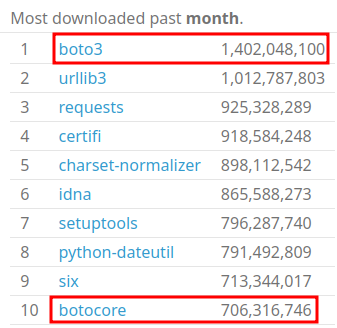
boto3 x.y.z depends on botocore>=x.y.z

new release almost every day

similar inversion pattern for other boto3 dependents: python-dateutil

botocore cached but not boto3 seems weird

six

six is in the top 20 in most downloaded packages in 2025 (15 years after Python 2.7 EOL)

easy to misinterpret it: people still care about Python 2 compatibility

reality: python-dateutil still depends on six

plenty of popular packages depend on python-dateutil, boto3, pandas, etc …

Separate “automated” vs “real” users?

  • details.ci field only in Google BigQuery db
  • based on environment variable CI, BUILD_ID, …

scikit-learn: only 10-15% of the downloads are from CI

Summary of what I learned

  • pay attention to installer type for newish/up-and-coming packages
  • heavily influenced by cloud workflows (AWS in particular)
  • dependencies being less downloaded than dependents doesn’t make too much sense

Best highly hypothetical wild-guess

  • automated cloud workflows
  • regenerating Docker images from scratch?

Half-baked thoughts about metrics

Metrics discussion

Goodhart’s law: When a measure becomes a target, it ceases to be a good measure

Not everything that can be counted counts, and not everything that counts can be counted (not Albert Einstein apparently)

Reality is complex => metrics help simplifying the message but sometimes gain way too much importance and force people to play the metrics game IMO (e.g. Shangai ranking for universities)

Metrics discussion

proxy metrics and big picture: I get it

numbers as a time-effective way to give credit to an opinion

bias: tend to stop looking when data matches the story you wanted to tell. Otherwise completely ignored.

Truth-O-meter in political fact-checking: mostly true, mostly false, pants on fire

Problem: fact-checking is always late to the party and never manages to correct wild claims/feel-good stories

Personal opinion about PyPI stats usage

seems fair

  • using PyPI download stats for grants/fuding agencies/investors
  • looking at top downloaded packages to have an idea about adoption e.g. free-threaded wheel, pyproject.toml, Python 2 vs Python 3

OKish

  • general trend to have a very rough idea (wouldn’t read too much into it personally but 🤷)

misleading

  • comparing two packages: this package is starting to catch up on this other one
  • causal explanation: we did this and this is why downloads started to go up. Probably only a small part of the story

In the end I know

But at least I tried a little bit 😅

Conclusion

  • I don’t really understand the reality that the PyPI download metrics describe. Many unexplained caveats in the data.
  • likely heavily biased by cloud workflows (AWS in particular)
  • maybe (just maybe) we should refrain from bold claims based on PyPI data
  • using proxy metrics and telling stories, why not, but maybe clarify intent and confidence level